 Bad Boy Labs
You set up an AI receptionist. You test it. Something feels wrong - the caller sounds clipped, or the greeting stumbles on its first word. You're not sure if it's your phone line, the AI, or just a one-off. Before you pull the plug or switch providers, it's worth knowing that there are two completely separate things that cause this, and the fix for one won't touch the other.
The problem, in plain terms
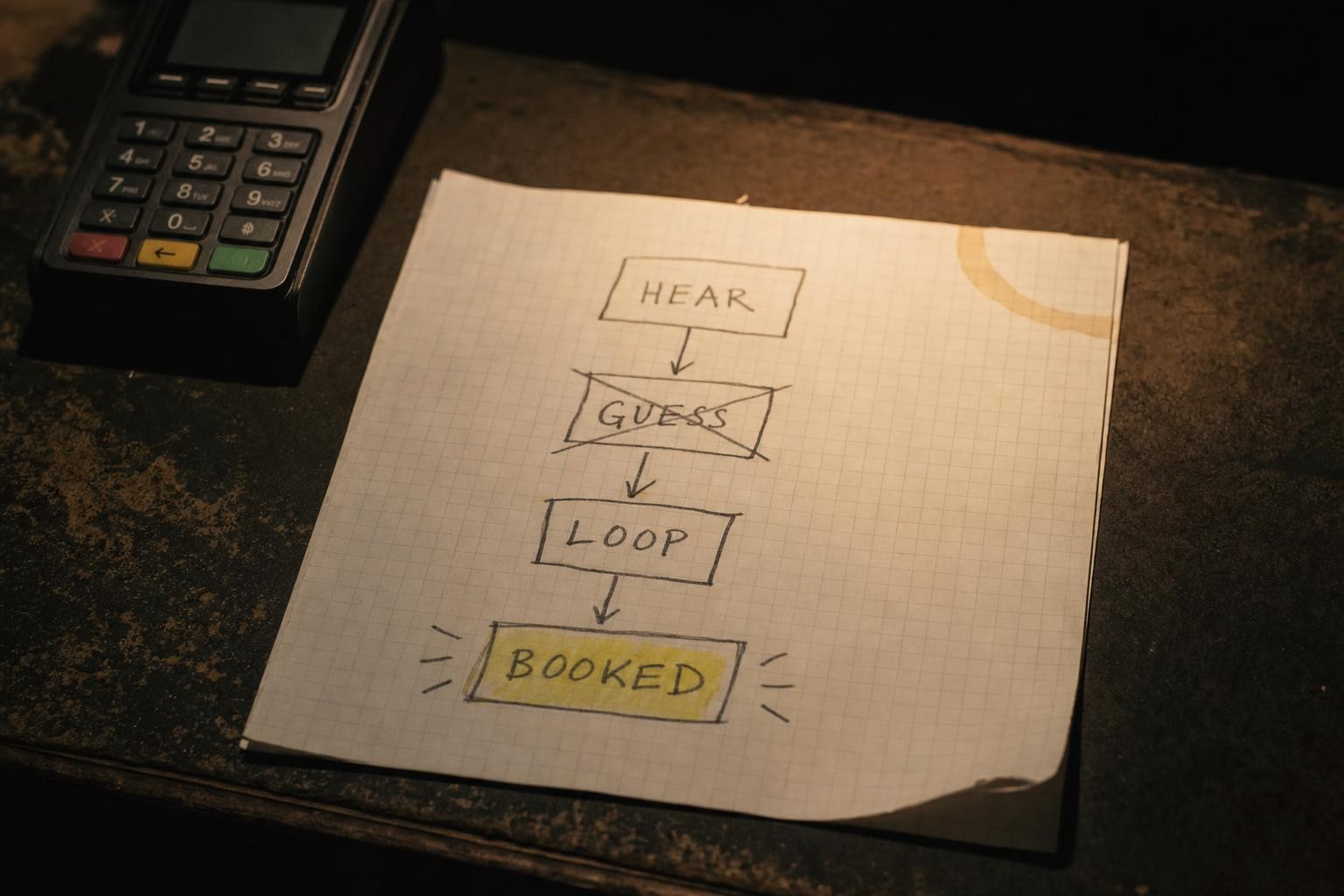
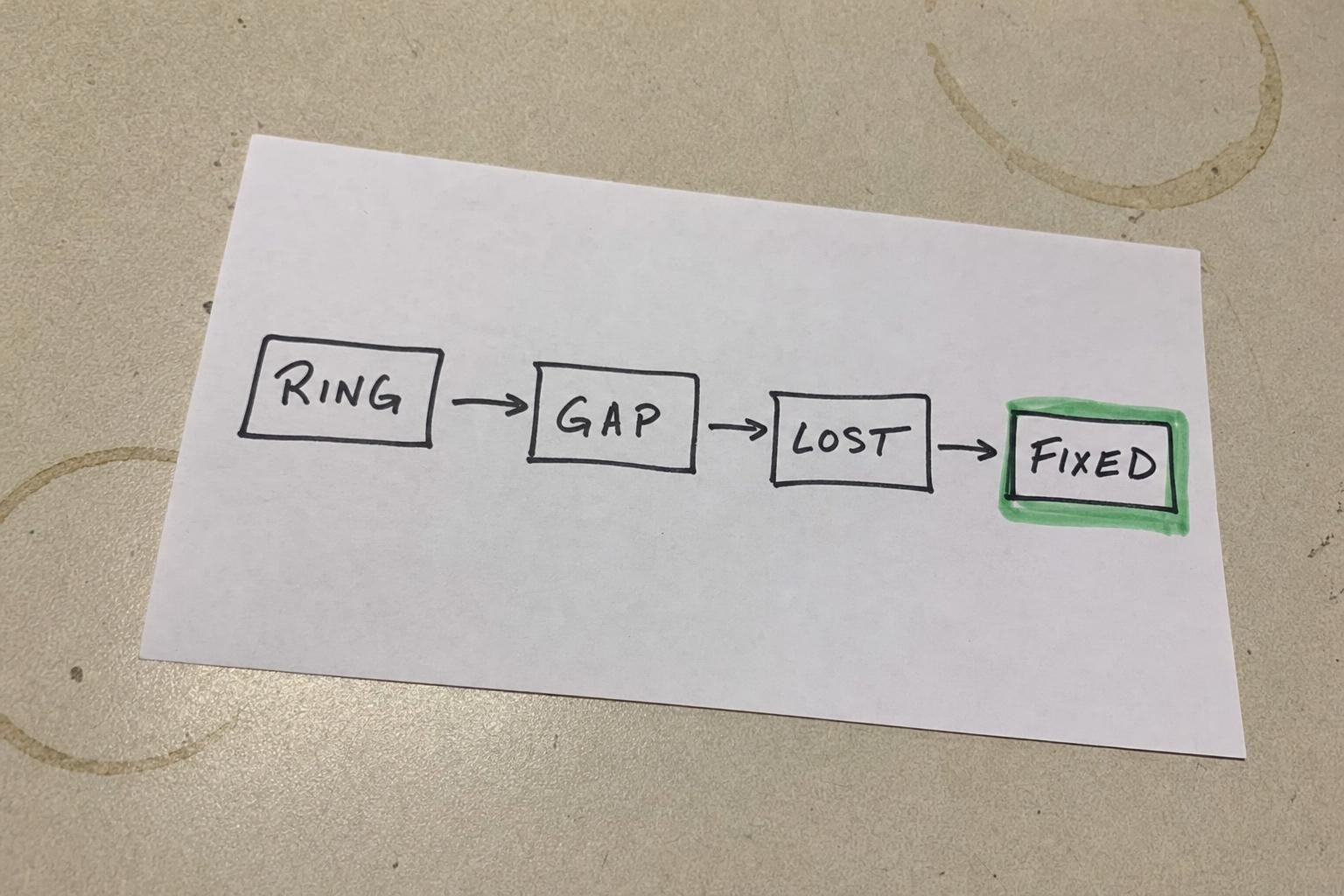
When a caller rings and an AI answers, there's a handshake happening in the background - the phone network passes the call to the AI's system, the AI wakes up, audio starts flowing. That handshake takes a moment. If the caller starts talking before it's finished, their first words disappear into the gap. The AI never heard them.
Separately, the AI itself has a voice - a text-to-speech model that reads out your greeting. If that model has a clipping fault, the AI's own first syllable drops before the caller hears it. Same symptom from the outside: something got cut off at the start. Completely different cause.
We found both of these in back-to-back testing sessions. They showed up as the same surface problem. The fixes were entirely different.
What the 1-3-1 looks like here
The owner's version of this worry usually sounds like: “callers are saying the AI doesn't respond properly, or it seems to miss what they said.” That's a real risk - a caller who gets a broken greeting hangs up, and you've just lost the enquiry you built the thing to catch.
Three realistic paths when you notice this:
- Live with it and hope. Some callers will repeat themselves. Most won't. If your average job is worth a few hundred pounds and you're taking thirty calls a month, the maths on “hope” gets uncomfortable quickly. Work it out on your own numbers: jobs per week, times the value of one job, times a rough guess at how many callers give up on a broken greeting. That's what living with it costs.
- Switch providers blind. A different AI answering service might not have the same voice model. It might have the same call-setup timing issue. You won't know until you've paid for a month and tested again. This is a reasonable move if your current provider can't or won't investigate - but switching without diagnosing means you might land in the same place.
- Diagnose which direction the clipping is in, then fix that specific thing. This takes one afternoon of test calls, and it tells you exactly what you're dealing with. The fixes are quick once you know which problem you have.
The recommendation is the third one. Here's what that diagnosis looks like in practice.
What we actually found
In testing on 7 October 2026, roughly the first 1.7 seconds of the caller's speech was being lost. The call connected, the AI's greeting played, the caller started talking - and the first part of what they said never reached the AI. The cause was call-setup timing, specifically the gap between the phone network handing the call over and the audio channel being fully open on the AI's side (this is sometimes called SIP negotiation, a technical term for the handshake between your phone line and the AI's system).
The fix wasn't complicated. We added a short sacrificial opening line - “Hello, thanks for calling” - at the start of the AI's greeting. That line absorbs the dead air. By the time the AI asks anything important, the audio channel is live and the caller's response gets through cleanly. It's a workaround, not a deep fix, but it works reliably and takes about two minutes to implement.
In a separate session on 10 October 2026, a different problem appeared. The AI's own greeting was clipping its first syllable - the caller was hearing a broken opening, not the caller's words being lost. Three consecutive test calls confirmed it. We switched to a different version of the text-to-speech voice model, and the greeting played cleanly across three consecutive calls after that. The call-setup timing wasn't involved at all.
Same symptom. Different direction. Different fix.
How to tell which one you have
Call the AI yourself and listen to its greeting before you say anything. If the AI's first word is clipped or missing, that's the voice model problem - what the AI says is broken before the caller even opens their mouth. Switch voice models or ask your provider to test alternatives.
If the AI's greeting sounds fine but it seems to miss or misunderstand the first thing you say, that's the call-setup timing problem. Add a sacrificial line to the greeting script so the important question comes a beat later, after the audio channel has settled.
If both are happening, fix them in order: sort the AI's greeting first, then test what it hears.
Why this matters more than it looks
An AI receptionist exists to catch the calls you can't take. If it's clipping the start of every conversation, it's not catching them - it's just giving callers a reason to ring a competitor instead. The fix, in both cases we found, was quick. The diagnosis is the part that takes attention.
If you're about to switch your main business number over to an AI answering service, it's worth running a handful of test calls first and listening carefully to both directions: what the AI says, and what it hears.
If you'd like us to run a live test call on your setup and tell you exactly what we hear before you switch your line over, have a look at what we do and drop us a message. We'll call the number, listen to both directions, and tell you what we find. You can decide from there whether it needs work.